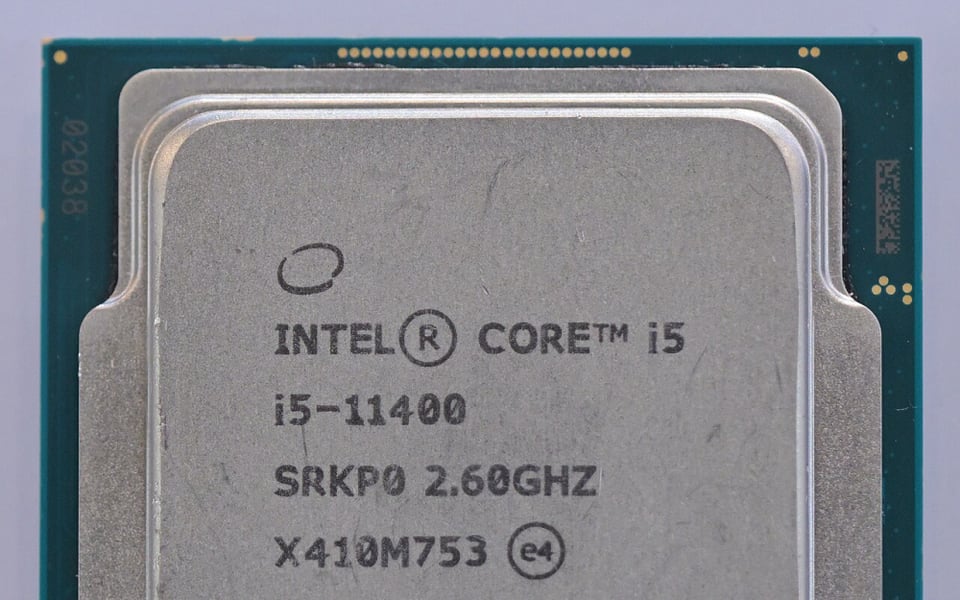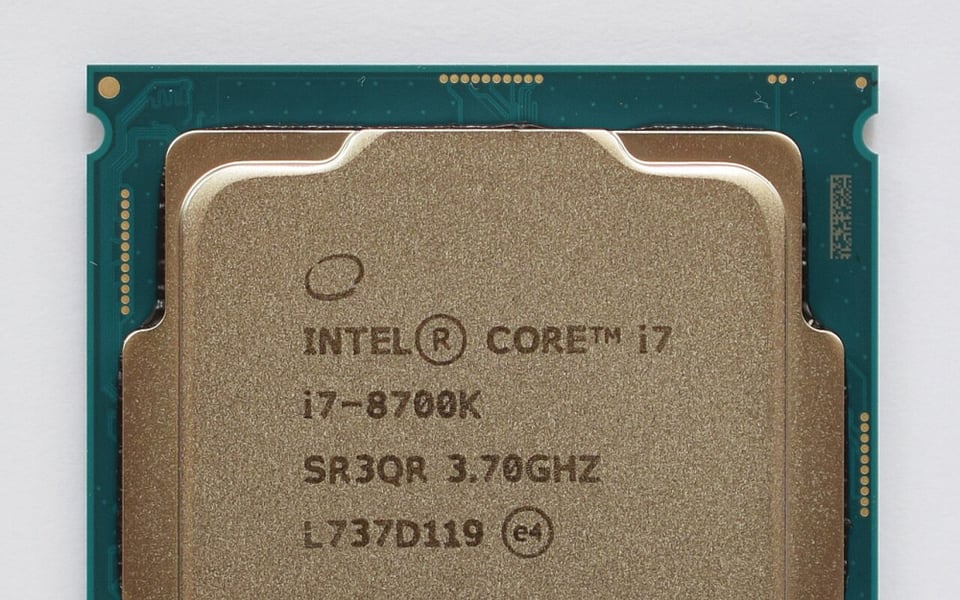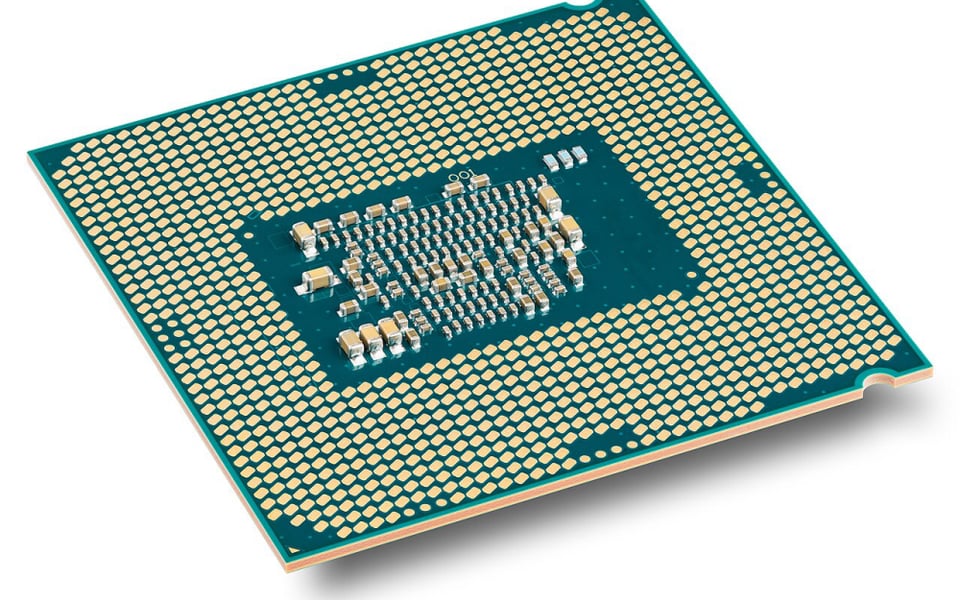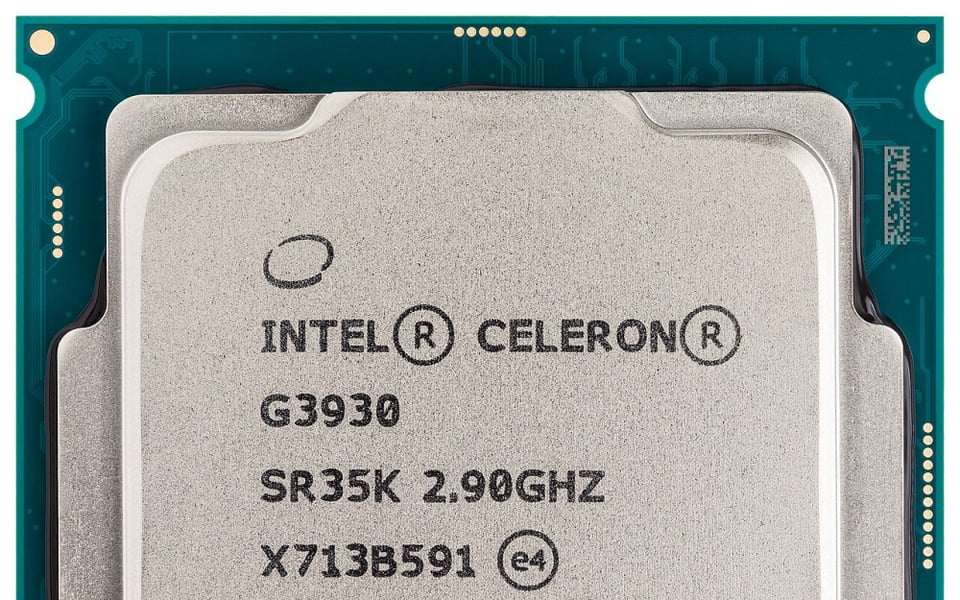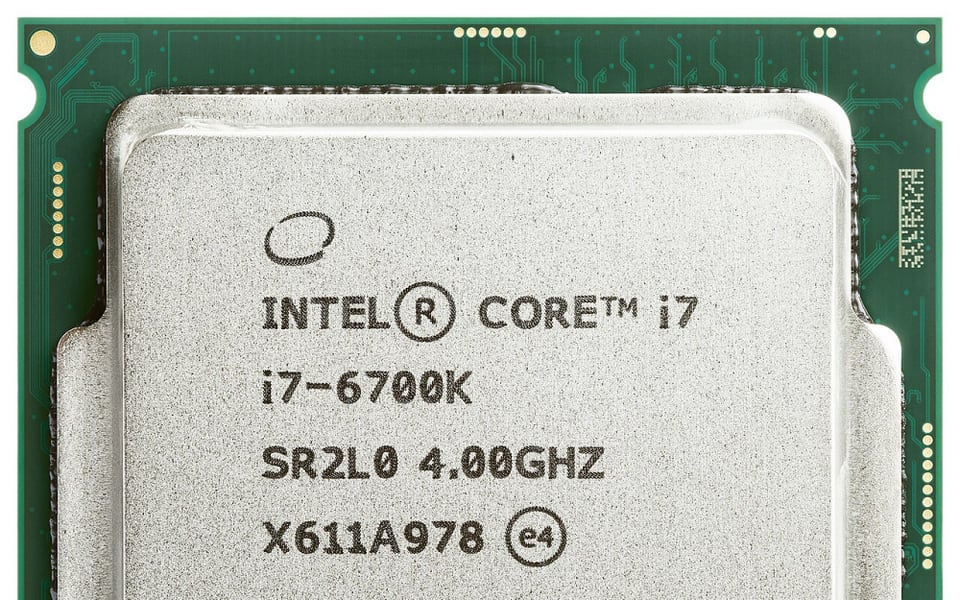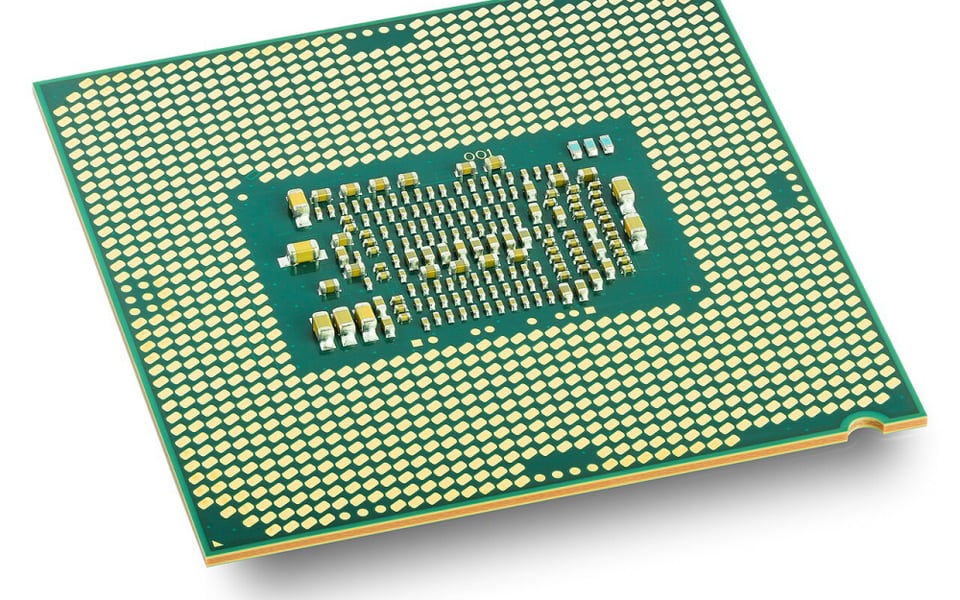
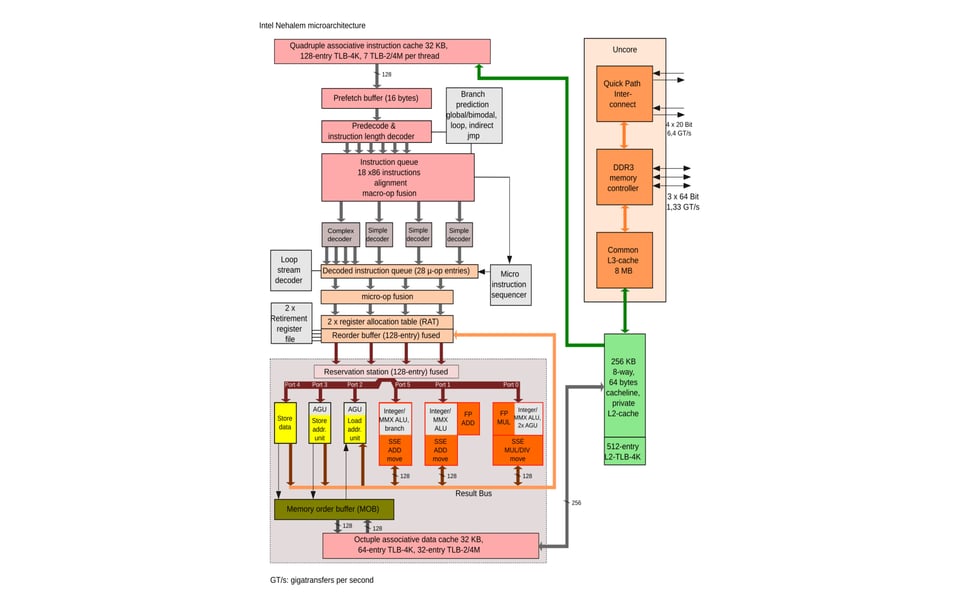
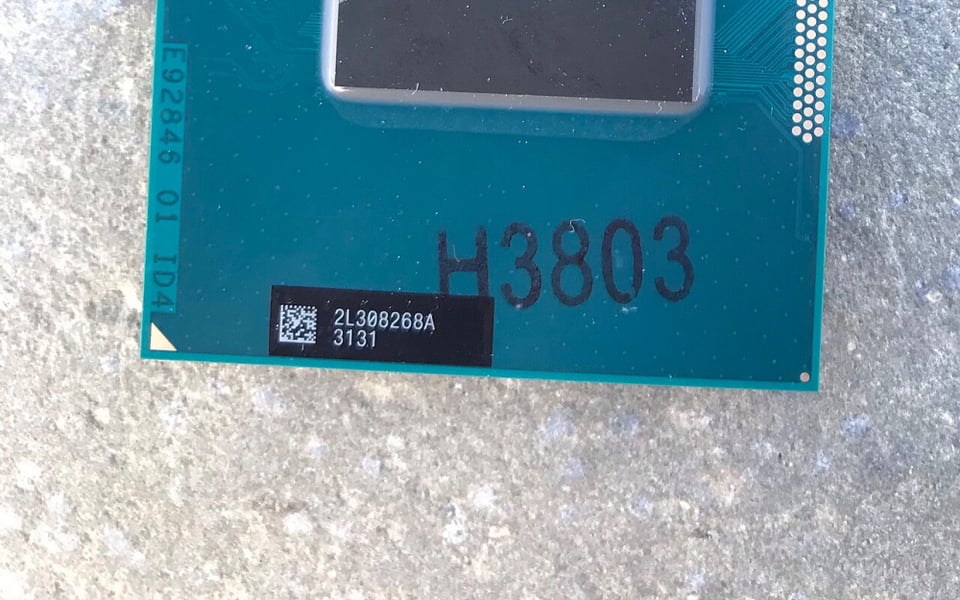
Intel's first Core i7 (Nehalem, 45 nm) launched in November 2008 with Hyper-Threading back [1]. Sandy Bridge launched on 9 January 2011 with the Core i7-2600K at about $317 [2], and Ivy Bridge on 29 April 2012 was Intel's first FinFET product, on 22 nm tri-gate [3]. Haswell was announced at Computex on 4 June 2013 [4]; Broadwell, after yield problems on its 14 nm process, shipped as the Core M on 5 September 2014 [5]. Skylake brought the Core i7-6700K at $339 [6], Kaby Lake had no process shrink [7], and Coffee Lake reached six cores with the i7-8700K at $359 [8]. Comet Lake topped out at the 10-core i9-10900K [9] and Rocket Lake backported Sunny Cove to 14 nm [10].
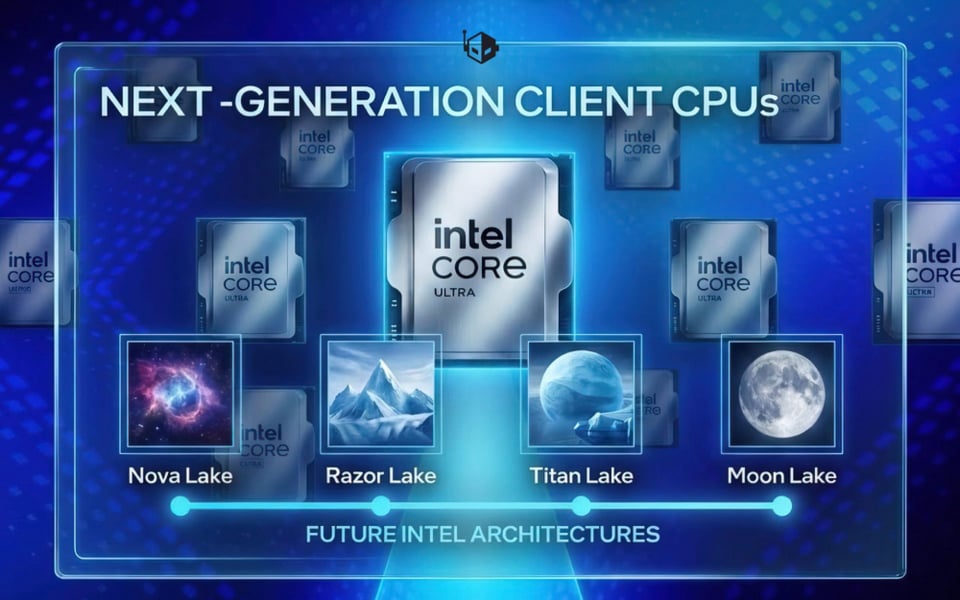
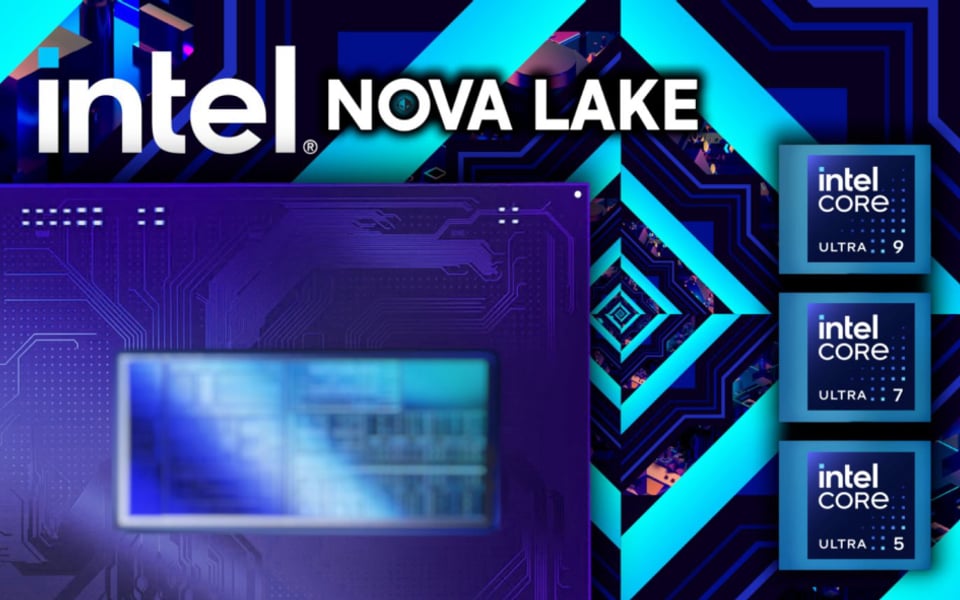
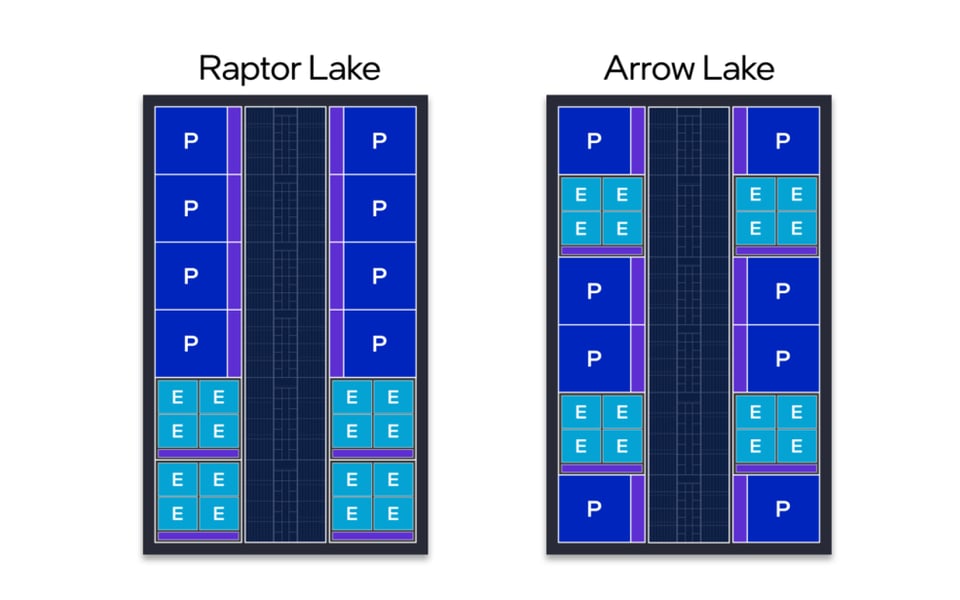
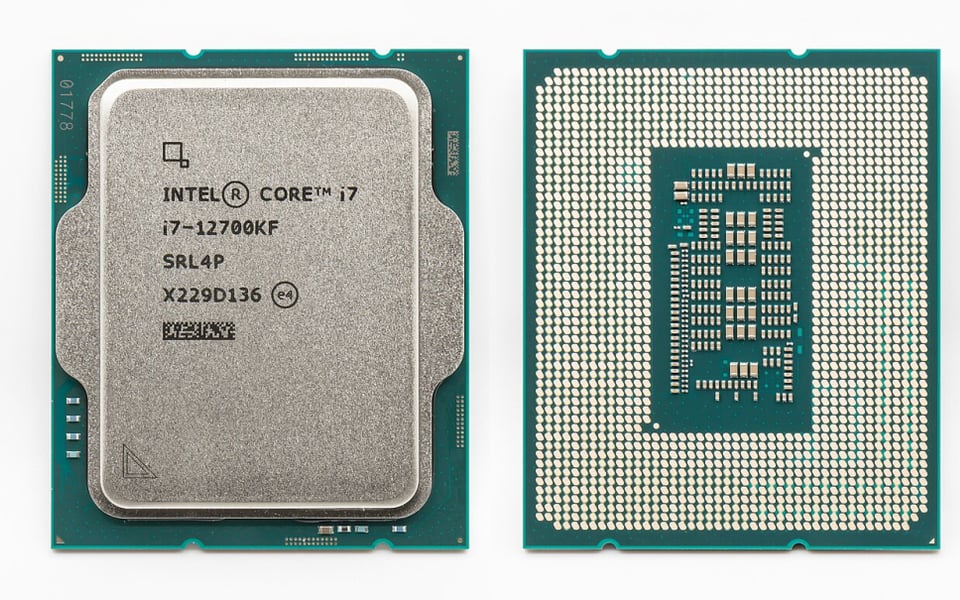
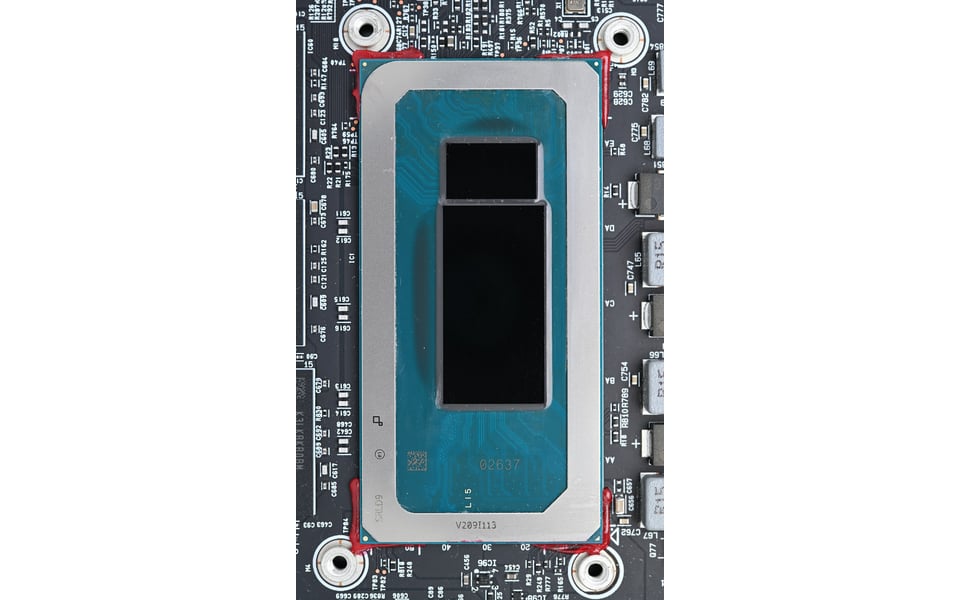
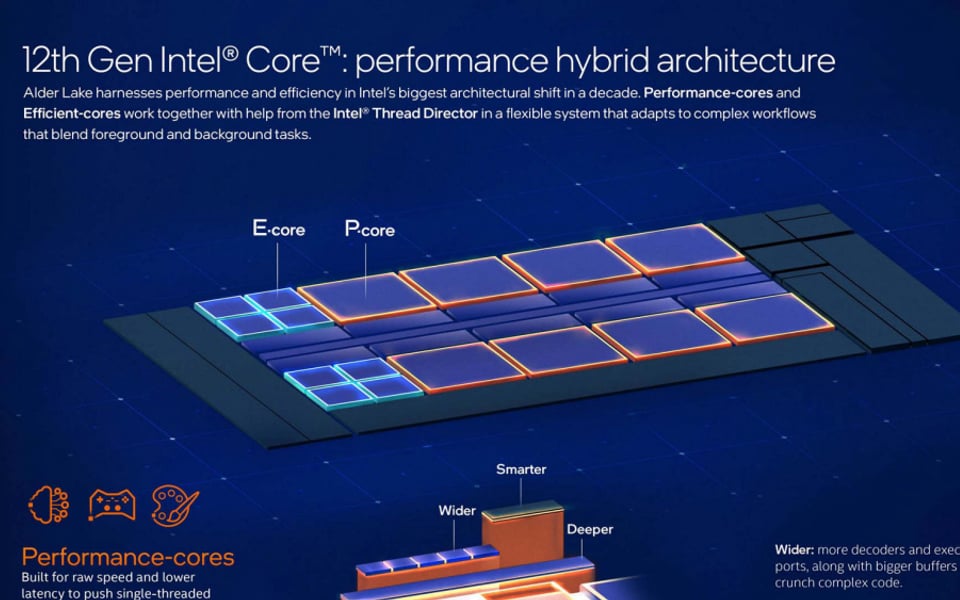
Alder Lake on 4 November 2021 brought the first hybrid P-core and E-core desktop chips [11], Raptor Lake the 24-core flagships and the Vmin Shift instability saga [12], and Meteor Lake on 14 December 2023 the first client chiplet CPU with an NPU [13]. Lunar Lake shipped on 24 September 2024 with a 48 TOPS NPU [14], and Arrow Lake on 24 October dropped Hyper-Threading on a new socket [15]. Panther Lake (Core Ultra Series 3) launched at CES in January 2026 as the first client CPU on Intel 18A [16]. Nova Lake is reported to launch from Q1 2027 [17] and Razor Lake, reported not announced, for Q4 2027 [18].
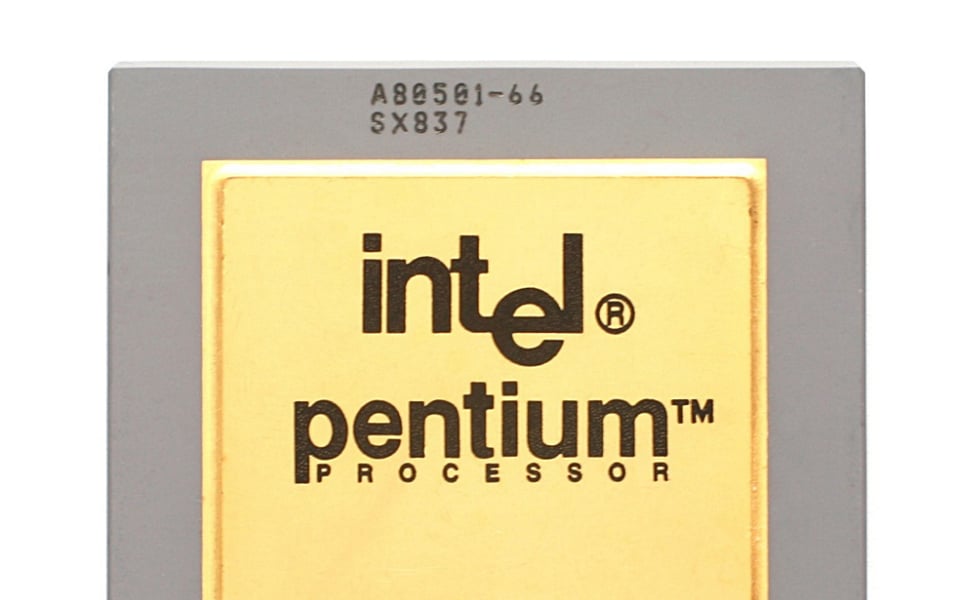
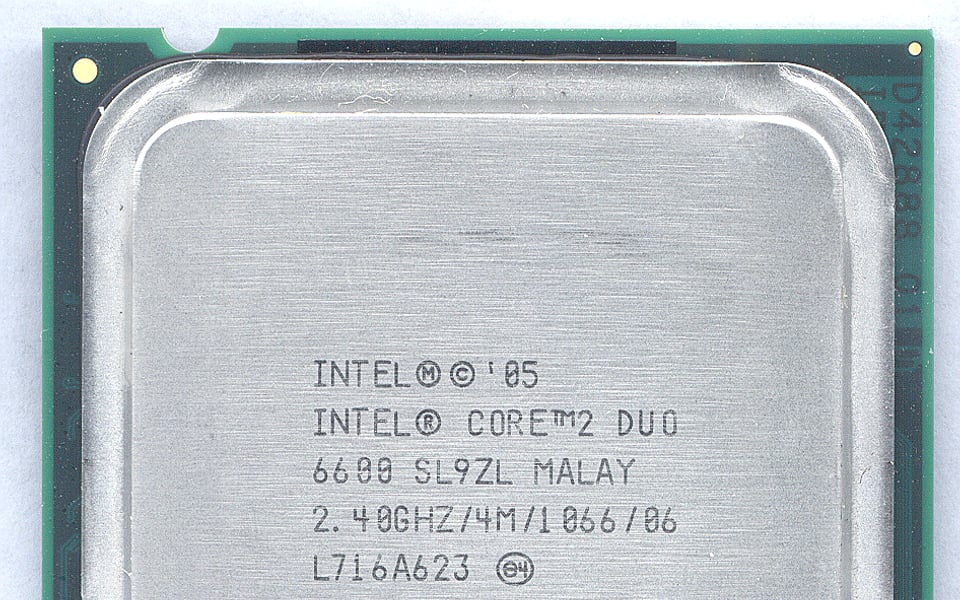
Intel shipped the first Pentium processors on 22 Mar 1993 at 60 and 66 MHz [19], and launched the Core 2 Duo (Conroe) on 27 Jul 2006, ending the NetBurst era [20].