

ยืนยันแล้วความเชื่อมั่นของวันที่: ยืนยันแล้วระบุว่าแน่นอนแหล่งที่มาระบุวันที่ชัดเจนเพียงใด: ยืนยันแล้ว กำหนดการ ประมาณการ เลื่อน หรือยังไม่ยืนยันแสดงหมุดทั้งหมดที่เป็น ยืนยันแล้วความเชื่อมั่น 82%ความเชื่อมั่นโดยรวม: 82%แหล่งที่มาและแหล่งอ้างอิงของหมุดยืนยันวันที่ได้ดีเพียงใดค่าเฉลี่ยถ่วงน้ำหนักว่าแหล่งอ้างอิง 5 แหล่ง รวมแหล่งที่มา สนับสนุนเวลาเริ่มและสิ้นสุดของหมุดมากเพียงใด แหล่งอ้างอิงจะมีน้ำหนักลดลงครึ่งหนึ่งทุก ๆ 180 วันที่เก่ากว่าแหล่งล่าสุดแสดงหมุดทั้งหมดที่มีความเชื่อมั่น 75% ขึ้นไป
EASA type-certificate data sheet A.172 lists 'Initial Certification Date: A300 B2-1A: 15 March 1974'; Wikipedia[2] says certificates were granted by German and French authorities that day.- เริ่ม
- 15 มี.ค. 1974ความเชื่อมั่น 90%จาก แหล่งที่มา
Airbus A300B2 Wins Type Certification
คู่แข่งหลัก
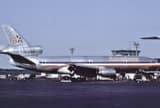
- McDonnell Douglas DC-10 · McDonnell Douglas
About 270 seats in two classes (399 maximum) - DC-10-10 range 3,500 nmi (6,500 km), DC-10-30 up to 5,200 nmi (9,600 km) - three engines - in service since 5 August 1971
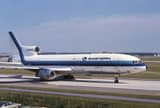
แหล่งที่มา - Lockheed L-1011 TriStar · Lockheed
Up to 400 passengers - range over 4,000 nmi (7,410 km) - three Rolls-Royce RB211 engines - entered service with Eastern Air Lines on 26 April 1972
แหล่งที่มา
The Airbus A300B2-1A received its initial type certificate on 15 March 1974, clearing Airbus's first production wide-body for airline service two months before its first delivery.
- EASA's current data sheet for the A300 family dates the first production variant, the A300B2-1A, to 15 March 1974; the B2-1C followed on 2 October 1974 and the two-prototype A300B1 only on 12 November 1974[1]
- Wikipedia records that French and German authorities issued the certificates that day and that FAA certification followed on 23 May 1974[2]
- The test campaign used four aircraft and about 1,580 flight hours and was described as relatively problem-free, though early flight testing had turned up an over-sensitive turn response on 6 December 1972 that nearly derailed the programme[2][4]
- Simple Flying notes that Air France had committed to six airframes in 1970, four years before the plane would debut in passenger service[3]
Notable features
- Variant: A300B2-1A, certified 15 March 1974 with two General Electric CF6-50A turbofans; the B2-1C with CF6-50C followed on 2 October 1974[1]
- Weights (basic WV 00): MTOW 137,000 kg, maximum landing 127,500 kg, zero fuel 116,500 kg; limits Mach 0.86 and 360 KIAS[1]
- Fuel: 44,000 litres with high-level shut-off (outer 9,230 L, inner 34,770 L)[1]
- Airbus's planning chart for the B2-101 shows 269 passengers and baggage at about 1,300 nm, 2,050 nm at maximum fuel capacity, cruise Mach 0.78 and a sea-level takeoff field of roughly 5,800 ft at MTOW (read from graph)[5]
- Fuselage 5.64 m in diameter, eight-abreast seating and two LD3 containers side by side; length 53.61 m and wing span 44.84 m[2]
ในฐานะพันธมิตรของ Amazon, Chronopin ได้รับรายได้จากการซื้อที่เข้าเกณฑ์
Chronopin อาจได้รับค่าคอมมิชชันเมื่อคุณซื้อผ่านลิงก์ eBay